How to Choose a High-Yield Savings Account: 2026 Guide
High-yield savings accounts can earn 10x more interest than traditional banks. Learn what to look for, what to avoid, and how to maximize your savings rate safely.
 By Ayesha Khan7 min read
What Is a High-Yield Savings Account?
A high-yield savings account (HYSA) is a savings account that pays significantly higher interest than a traditional bank's savings account. While big national banks often pay 0.01% to 0.10% APY, HYSAs from online banks and credit unions commonly pay between 3.5% and 5%. On a $10,000 balance, that difference is around $400 to $500 of interest per year — for doing nothing different.
Why the Rate Difference Exists
Traditional brick-and-mortar banks have huge overhead: branches, tellers, and marketing budgets. Online banks operate with much lower costs and pass those savings to customers as higher rates. They are not riskier — most are FDIC-insured up to $250,000 per depositor, just like your local bank. The trade-off is no physical branch, which doesn't matter if you rarely visit your bank in person anyway.
What to Look For
When comparing HYSAs, focus on these factors:
APY (Annual Percentage Yield): The headline number. Compare current APYs across multiple banks; they change frequently as the Federal Reserve adjusts rates.
FDIC or NCUA Insurance: Confirm the institution is federally insured. Banks display the FDIC logo; credit unions display NCUA. Without this, your money is at risk.
Minimum balance and fees: Some accounts require $1,000 minimums or charge maintenance fees that wipe out your interest. The best HYSAs have no minimum and no monthly fees.
Withdrawal limits: Federal Regulation D used to limit savings transfers to six per month. Although the rule was suspended in 2020, some banks still enforce their own limits. If you plan frequent transfers, check.
Transfer speed: Some online banks take 3 to 5 business days to move money to your checking. Others offer same-day transfers. For an emergency fund, faster access matters.
App and customer service quality: Read recent reviews. A great rate doesn't help if the app crashes or support is unreachable.
What to Avoid
Be cautious of "promotional" rates that drop after three months — read the fine print. Avoid accounts with minimum balance fees if your balance might dip. Skip "high-yield" checking accounts that require 15 debit card transactions per month to earn the rate; the effort rarely justifies the reward. And ignore any offer that's not FDIC or NCUA insured, regardless of the APY.
How to Open One
Opening an HYSA takes about 10 minutes online. You'll need your Social Security number, a government ID, and the routing/account number of an existing bank account to fund the new one. Most accounts are approved instantly and ready to receive transfers the same day. Funding usually takes 1 to 3 business days the first time, then 1 day after.
How to Use It Smartly
Use your HYSA for money you want safe, accessible, but not in your everyday checking account. Common uses include:
- Emergency fund (3 to 6 months of expenses)
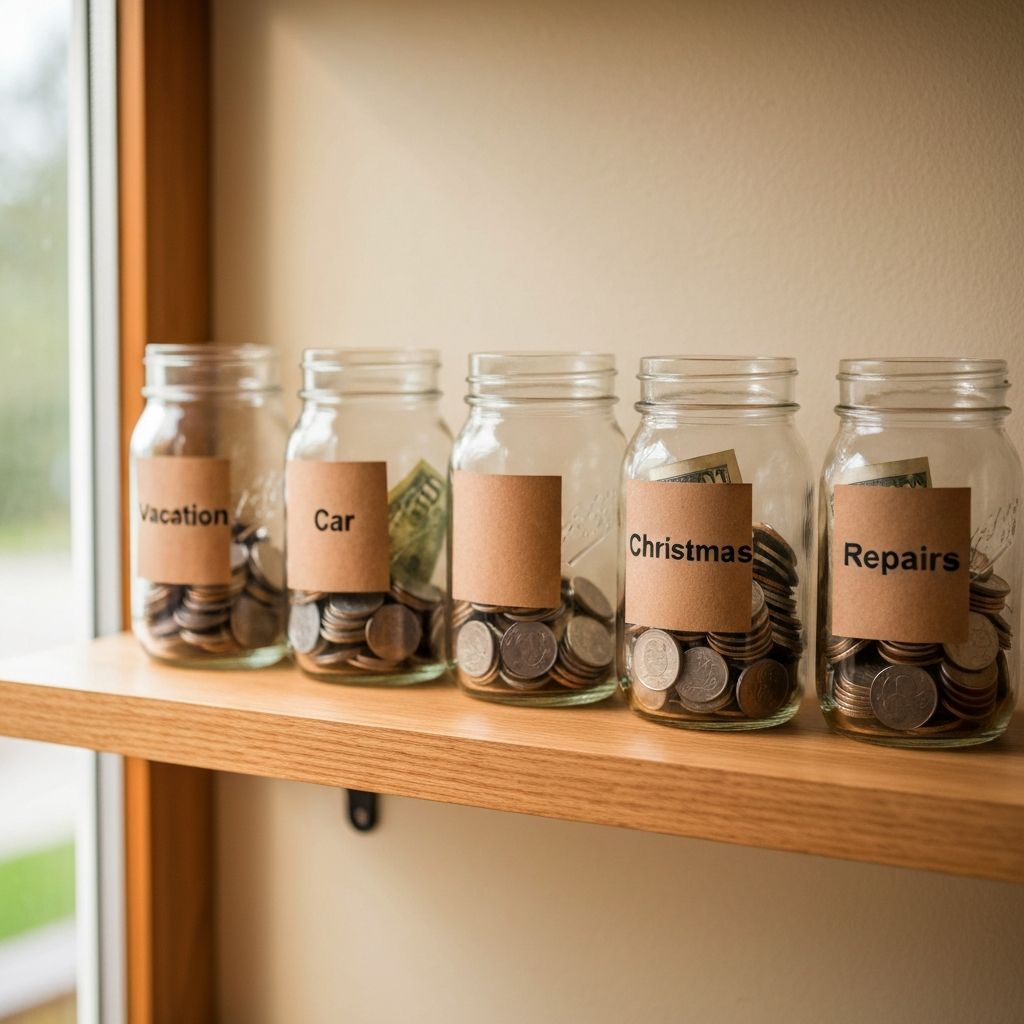
- Short-term goals (vacation, wedding, car down payment)
- Sinking funds (annual insurance, holiday gifts)
- Cash buffer above your minimum checking balance
Avoid using it for long-term investing. Even a 5% APY won't beat the long-term return of a diversified stock portfolio, which historically averages around 7% to 10% after inflation.
A Quick Math Example
If you keep $15,000 in a traditional savings account at 0.05% APY, you'll earn $7.50 per year. Move it to an HYSA at 4.5% APY and you'll earn $675 per year. Over five years, the difference is more than $3,300 — without taking on any meaningful additional risk. This is one of the easiest financial wins available.
Final Thoughts
A high-yield savings account is one of the simplest, lowest-effort upgrades you can make to your financial life. The setup is quick, the risk is identical to a normal bank, and the returns can fund a small annual vacation just from interest. If your savings are still parked at a big national bank earning pennies, this week is a good week to make the switch.
Contributing Writer
Ayesha Khan
Cares about the boring stuff — spreadsheets, budgets, and reading the fine print on bank statements.
Free newsletter
Get one practical money guide every week.
No spam, no upsells, no recycled content. Unsubscribe in one click anytime.