What Actually Moves Your Credit Score (and What Doesn't)
A clear, no-jargon breakdown of how your credit score is calculated, the things that move it, and the things people worry about that mostly don't.
 By Rohan Mehta9 min read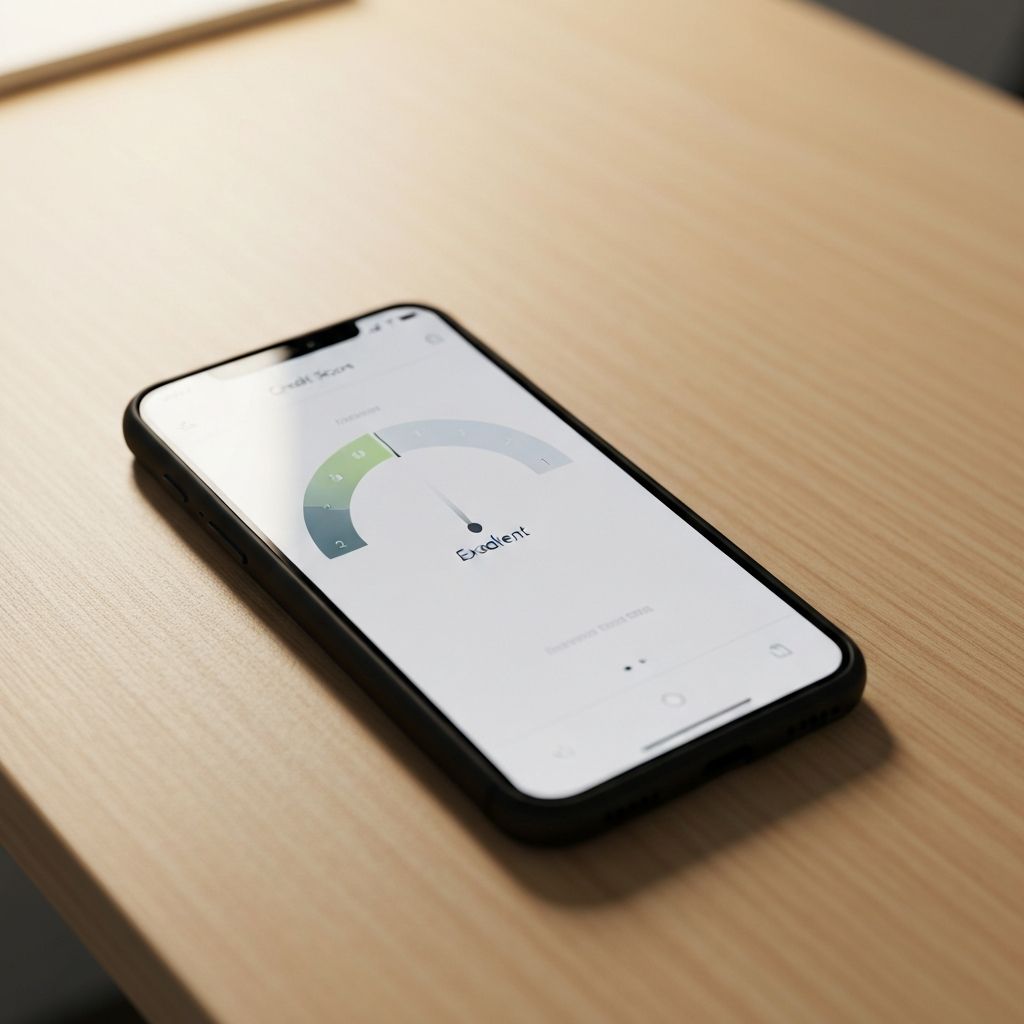
For most of my twenties I had two beliefs about my credit score that turned out to be completely wrong. The first was that checking it would lower it. The second was that closing old credit cards I didn't use was a "responsible" thing to do. I did both. My score went down. Took me a while to figure out why.
So this is the explainer I wish I'd had — the actual mechanics of what a credit score is, what genuinely moves it, and the surprising number of things people stress about that just don't matter very much.
What a credit score actually is
A credit score is a three-digit number, usually between 300 and 850, that estimates how likely you are to pay back borrowed money on time. Lenders use it to decide whether to give you a loan, what interest rate to charge, and how big a credit limit to give you. Landlords sometimes look at it. Some employers do.
There are two main scoring models in the U.S. — FICO and VantageScore. Each has its own formula, but they look at roughly the same five things, in roughly the same order of importance. I'm going to use the FICO version because it's the one most lenders actually use.
The five things that make up your score
FICO breaks down like this:
- Payment history — about 35%
- Amounts owed — about 30%
- Length of credit history — about 15%
- Credit mix — about 10%
- New credit — about 10%
Two of those — payment history and amounts owed — make up two-thirds of your score. If you remember nothing else from this article, just remember that. Paying on time and not maxing out cards is most of the game.
Payment history (35%)
This is whether you pay your bills on time. Late payments, missed payments, accounts in collections, bankruptcies, foreclosures — anything where you didn't pay what you owed when it was due — all live here. A single 30-day late payment can drop a good score by 50 to 100 points and stays on your report for seven years. That's not a typo.
The good news: setting up autopay for at least the minimum on every card is the single most impactful credit habit you can build. It costs nothing. It takes ten minutes. It protects the biggest factor in your score.
If you've already had a late payment, here's something that took me too long to learn — you can sometimes call the lender and ask for a "goodwill adjustment." Especially if it was a one-off, you have a long history with them, and you genuinely just forgot. They don't have to remove it. Sometimes they do. Worth the phone call.
Amounts owed (30%)
This is mostly about something called credit utilization, which sounds complicated but is just: how much of your available credit are you currently using.
If you have one card with a $5,000 limit and a $2,500 balance, your utilization is 50%. The lower this number, the better. As a rough guide:
- Under 30% is decent
- Under 10% is where the score really starts to like you
- 0% is fine, but a tiny utilization (like 1–3%) actually scores slightly better than zero on some models
Credit utilization is calculated per card and across all cards combined, and the score considers both. So if one of your cards is maxed out and the rest are empty, that maxed-out card still drags the score even if your overall utilization looks low.
The fastest, easiest way to improve a score in 30 days is almost always: pay down balances before the statement closing date so the reported balance is low. The bank reports your balance to the credit bureaus once a month, usually around your statement date. Whatever the balance is on that day is what gets reported, regardless of whether you pay in full afterwards. Pay early, get a lower reported number, watch the score nudge up the next month.
Length of credit history (15%)
This is the average age of all your accounts, including how old your oldest one is. This is the one I personally messed up. I closed two old cards in my mid-twenties because I "didn't use them" and "wanted to clean things up." Both of those cards were among my oldest accounts. Closing them shortened my average account age and lowered my score by about 20 points.
Lesson learned: if a card has no annual fee, just leave it open with a zero balance. Make a small recurring purchase on it once every few months — a streaming subscription or something — so the bank doesn't close it for inactivity. That keeps the history alive.
Credit mix (10%)
This is the variety of credit types you have. Credit cards, a car loan, a mortgage, a student loan — the score likes seeing that you can handle a few different kinds of credit responsibly.
I want to be very clear here: do not go take out new loans just to "improve your credit mix." That's a 10% factor. The interest you'd pay on a loan you don't need is much more than 10 points of credit score is worth. This is one of those factors that takes care of itself naturally as your life unfolds.
New credit (10%)
Every time you apply for new credit, there's usually a "hard inquiry" on your report. Each hard inquiry knocks your score down by a few points and stays on your report for two years (though the score impact mostly fades after a year).
A few things people get confused about here:
- Checking your own score does not lower it. That's a "soft inquiry." You can check your score on Credit Karma, Experian, or your bank's app every day if you want and it does nothing.
- Getting pre-qualified offers in the mail does not lower your score. Soft inquiry.
- Rate-shopping for a mortgage or car loan within a 14–45 day window counts as a single inquiry, not multiple. So shopping around for the best rate is fine — just do it in a tight window.
Where this starts to bite is if you apply for several new credit cards within a few months. Each one is a hard inquiry, and the new accounts also lower your average account age. Avoid bunching applications.
What does not affect your credit score
This list is honestly almost as important as the one above, because it's where most of the worry lives.
- Your income. Lenders see it on the application, but it's not in the score formula at all.
- Your bank account balances. Not in the score.
- Your debit card use. Debit cards don't build credit in either direction.
- Checking your own score. Already mentioned, but worth repeating because the myth is everywhere.
- Your job, your address, your marital status. None of these are in the score.
- Paying medical bills under $500 that went to collections. As of 2023, these are no longer on credit reports.
- Carrying a small balance month-to-month. This is a stubborn myth — you do not need to carry a balance to build credit. Pay in full, every month, forever.
How to actually build a good score from scratch
If you're starting at zero or rebuilding after damage, the steps are honestly pretty simple:
- Get one credit card. A secured card if you can't qualify for a normal one — you put down a deposit (often $200), and that's your credit limit. Treat it like a real credit card.
- Use it for one or two small recurring expenses. A streaming service, a gas tank, that's it.
- Set up autopay for the full statement balance. Not the minimum. The full balance.
- Don't apply for anything else for at least a year.
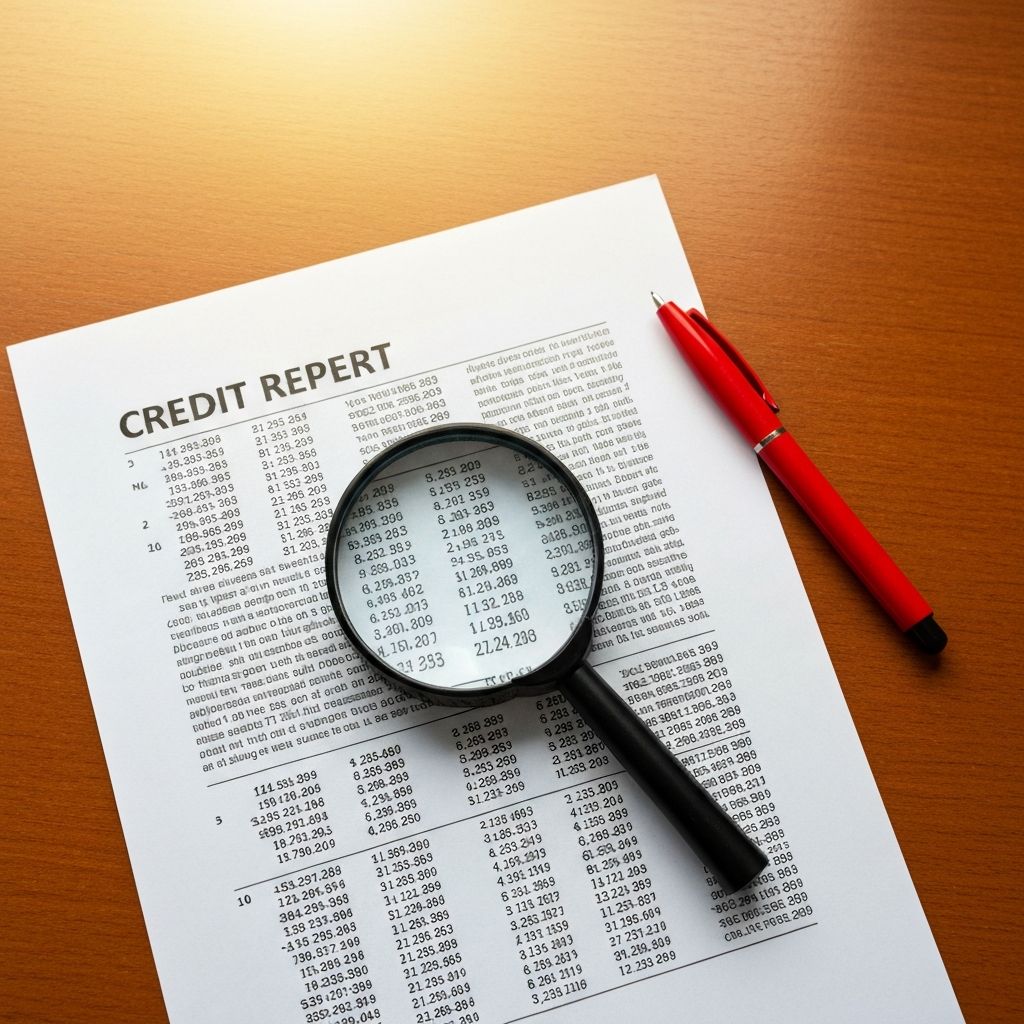
- Check your free credit reports once a year at AnnualCreditReport.com (the actual government-mandated free site, not the lookalike paid ones). Make sure nothing weird is on there.
Six months in, you'll have a score. A year in, you'll usually be in the 700s if you've done nothing else weird. From there, time and good habits will push it the rest of the way.
A reasonable target
You don't need an 850. You really, really don't. The interest rates lenders offer mostly stop improving once you're above about 760. Getting from 760 to 850 is a hobby, not a financial decision. Aim for 760-plus and then mostly stop thinking about it.
The whole game is: pay everything on time, don't max out the cards, don't close your oldest one, and don't apply for things you don't need. Do that for a few years and the score takes care of itself.
Editor & Lead Writer
Rohan Mehta
Writes about money the way he wishes someone had explained it to him in his twenties.
Free newsletter
Get one practical money guide every week.
No spam, no upsells, no recycled content. Unsubscribe in one click anytime.