How to Spend Less on Groceries Without Eating Sad Food
A real-world guide to cutting your grocery bill — without coupons, weird substitutions, or pretending lentils are the same as steak.
 By Ayesha Khan8 min read
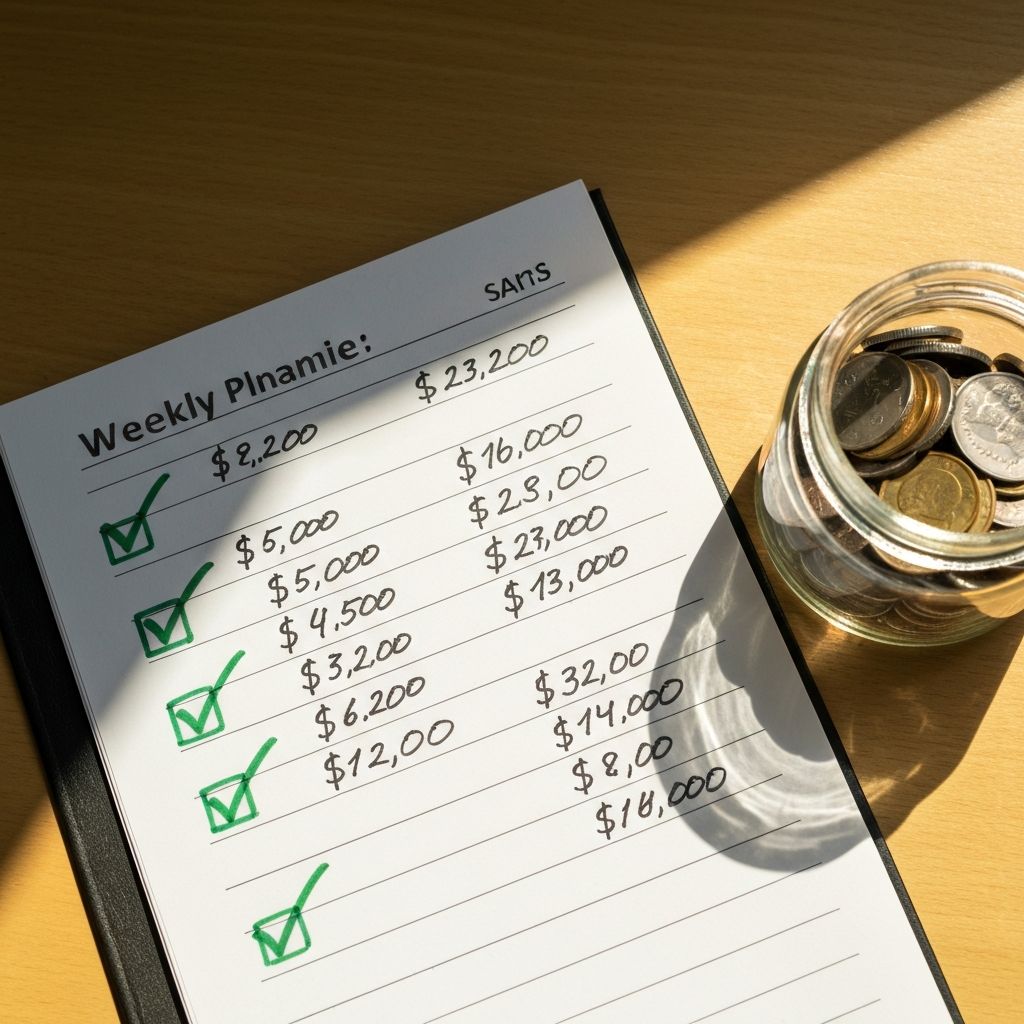
For about a year, I tracked every dollar I spent on groceries. (I know. It's that kind of personality.) The number that came back was alarming and useful in equal measure: I was spending around $720 a month on groceries for one person, and probably 30% of it was going in the bin.
Over the next few months I got that number down to around $480 — same person, same neighborhood, same brand of cheese I refuse to give up — without doing anything especially clever. No coupon binders. No three-hour Sunday meal preps. No weird "rice and beans for every meal" content that personal finance YouTubers love.
This is what actually worked.
The biggest lever: stop throwing away food
Before I changed a single thing about how I shopped, I changed how I noticed what was getting wasted. I kept a tiny note on my phone for three weeks where I just typed in anything I threw away — half a bag of spinach, the heel of bread that went stale, that yogurt I bought on a hopeful whim.
By week three the pattern was so obvious I didn't even need to add up the dollars. I was buying for a fantasy version of my week — the one where I made salads on a Tuesday — and not for the actual version, where Tuesday is leftovers in front of the TV.
Cutting waste is the highest-leverage thing you can do, and it doesn't require any willpower. It's just a noticing exercise. The U.S. household, on average, throws away around 30% of the food it buys. If your bill is $600 a month, that's $180 a month going straight in the bin. Just buying less of the stuff you reliably waste is enormous.
Plan around four or five base ingredients, not seven different recipes
Here's where most "meal plan to save money" advice loses me. It tells you to plan seven recipes for the week, make a shopping list off all seven, and execute the plan like a small restaurant. In real life, by Wednesday you don't want what Sunday-You wrote down, and half the recipes share zero ingredients, so if you skip one, the parsley you bought just for it dies in the fridge.
What's worked better for me: pick four or five base ingredients for the week and plan loose meals around them. Examples:
- Eggs, rice, broccoli, chicken thighs, garlic, soy sauce
- Pasta, canned tomatoes, garlic, parmesan, frozen peas, sausage
- Tortillas, black beans, rice, cheese, onion, salsa, avocado
Each of those grocery lists makes about ten meals if you flex what you make from them. Eggs become breakfast, fried rice, an omelet over leftover veg. Chicken thighs become roasted chicken one night, chicken tacos the next. The recipes don't need to be locked in advance — only the ingredients do.
This style of shopping cut my waste in half almost on its own. I wasn't buying single-purpose items anymore.
Shop your fridge before you shop the store
This is a habit that took me embarrassingly long to develop. Before I go to the store, I open the fridge and freezer and just look. Take twenty seconds. There's almost always something hiding — a bag of frozen peas, half an onion, a chunk of cheddar — that should shape what I buy this week.
The two questions are: "What do I already have that I should use up?" and "What do I need to buy to make use of it?" That second question is much, much smaller than the question "what do I want this week" and that's where the savings live.
The protein rule that changed everything
The single most expensive category in most people's grocery bills is meat and fish. Cutting back here, even slightly, has an outsized impact on the total.
I'm not telling you to go vegetarian. I tried that. I lasted nine days. What worked instead:
- Three meals a week with a "secondary" protein instead of meat. Eggs, beans, lentils, tofu, chickpeas. Not every meal — just three.
- Buy the cheap cuts on purpose. Chicken thighs are cheaper than chicken breast and taste better in almost every recipe. Pork shoulder is cheaper than pork chops and shreds beautifully. Whole chickens are cheaper per pound than parts.
- Make stretch a feature, not an apology. A pound of ground meat in a sauce or a stir-fry feeds twice as many people as a pound of ground meat as the main event. Put it with rice or pasta and it goes further.
I didn't change the kind of food I ate. I changed the ratio of expensive-to-cheap inside each meal. The bill came down. The food got better, not worse, because the cheap cuts are honestly more interesting to cook.
Stop buying the cart "extras"
Take a look at the last few grocery receipts. Mine had a pattern that was almost embarrassing once I saw it:
- Specialty coffee creamer, $5.99
- Two impulse snacks, $7
- A "fancy" cheese I didn't have a plan for, $9
- Sparkling water with a flavor I'd never tried, $4
- Pre-cut watermelon, $11
That's $36 of stuff I didn't go to the store for. It happens at almost every trip. Most "saving on groceries" advice ignores this category, but it's where 15–20% of a grocery bill quietly lives.
What helped me wasn't strict willpower, because willpower is unreliable in a grocery store at 6:30 p.m. on a Tuesday. What helped:
- Don't shop hungry. (Boring. Real.)
- Use a list, even a sloppy one, and treat it like a contract.
- Allow exactly one thing off-list per trip. One. Not three. The cap is the trick.
Number three is the actual move. It's not "no impulse buys ever." That's not realistic and it's miserable. It's "one." Once you've picked the one, the rest of the cart-extras stay on the shelf.
The case for cooking once and eating twice
Not "meal prep" in the influencer sense — no twelve identical containers of rice and broccoli. Just: when you cook, make one extra portion. That's it.
If you're already chopping the onion, browning the meat, dirtying the pot, the marginal cost of cooking 50% more food is almost zero. You get one or two extra meals out of the same thirty minutes of effort. Those extra meals don't get bought as takeout, which is genuinely where most "I'm saving on groceries" goals leak — the saved grocery money ends up on a delivery app instead.
Cook once, eat it for lunch the next day. Or freeze it for the week you don't feel like cooking. You don't need a system. You just need a slightly bigger pan.
The store-brand test
This is so well-known it's almost a cliché, but I'll say it because it really does work: most store-brand staples are made in the same factories as the name brands, by the same companies, and are 20–40% cheaper.
The list of things I now buy store-brand without ever noticing the difference:
- Flour, sugar, salt, baking soda, baking powder
- Pasta and pasta sauce
- Canned tomatoes, beans, tuna
- Frozen vegetables
- Bread (often)
- Most dairy
Things where I still pay up for the brand because, honestly, I taste a difference:
- Chocolate (sorry)
- One specific brand of yogurt
- A specific brand of olive oil
That's it. Two or three things. The rest is store-brand, and the savings on a typical $150 grocery trip just from that switch is in the $25–$40 range. Compounded across a year, it's hundreds of dollars without a single behavioral change.
The price-per-unit habit
Almost every grocery store in the U.S. has a small "price per unit" number on the shelf tag — usually price per ounce, per pound, or per fluid ounce. It's much more important than the total price.
A bigger jar of peanut butter at $7.99 might be cheaper per ounce than the small jar at $3.99. A "sale" on a fancy brand of pasta might still be more per pound than the regular price of the store brand. You can't tell from the front of the package — only from the price-per-unit sticker on the shelf.
I don't use this on every item, because that would make grocery shopping take an hour. But for the staples I buy in bulk, it's the difference between paying right and paying way too much.
What I don't bother with
For balance, here's a short list of things I tried that didn't move the needle for me, in case they save you the time:
- Coupons. Outside of digital store coupons that take five seconds, I never got the math to work. The brands they coupon are usually pricier than the store brand even after the coupon.
- Driving to a second store for one cheaper item. Gas, time, and the inevitable "while I'm here" purchases ate the savings every time.
- Bulk warehouse memberships. They genuinely save money for some households. For one person, I bought too much, I wasted too much, and the math came out negative.
- Cashback grocery apps. Pennies, mostly. Not nothing, but rounding-error money.
Everyone's situation is different — these might genuinely work for you. But I want to be honest about what didn't work for me, so the list of things I do recommend feels meaningful.
The actual takeaway
If you do nothing else from this article, do these three things:
- Notice for two weeks what you're throwing away.
- Plan around four or five base ingredients per week, not seven separate recipes.
- Cap impulse buys at one per trip.
That's most of the gain, right there. The bill comes down. The food doesn't suffer. You don't need a binder, an app, or a personality transplant. Just a slightly more honest relationship with what you actually eat.
Contributing Writer
Ayesha Khan
Cares about the boring stuff — spreadsheets, budgets, and reading the fine print on bank statements.
Free newsletter
Get one practical money guide every week.
No spam, no upsells, no recycled content. Unsubscribe in one click anytime.